


-v1665700116905.png?500x500&options=w_150)














Rigging Up Your Sony Cinema Camera
Rigging gets a bad rap because a lot of rigs are built backwards. People buy parts first, bolt everything on, and end up with a camera that looks serious but shoots worse. Heavier than it needs to be, awkward to hold, slow to rebuild, and full of loose mounts that wobble the moment you move.
A good rig is the opposite. It’s not decoration. It’s a practical camera package that makes your Sony FX body easier to operate, easier to trust, and easier to repeat from job to job.
Sony’s FX line is a perfect example. FX30, FX2, FX3, FX6 — these cameras are compact, capable, and they scale. But once you’re shooting longer days, adding heavier glass, moving between tripod and handheld, or working with anyone else on set, the limitations show up fast. Battery swaps kill momentum. Monitoring becomes guesswork. Front-heavy setups fatigue your wrists. Cables snag. Controls get buried. And suddenly you’re “fixing the camera” instead of shooting.
Rigging solves that, as long as you rig with intent.
Start with the job, not the gear
The first decision isn’t what cage should I buy. It’s: what kind of day am I building for?
If you’re a solo operator, your rig needs to be light, balanced, fast to move, and simple to troubleshoot. You’re optimising for “carry all day and keep shooting even when things change.” That usually means one dependable power solution, one solid monitor, clean audio, and a layout that lets you operate without taking your eye off the scene.
If you’re in a team environment, the priorities shift. Now the rig needs to support division of labour. Someone might be pulling focus. Someone else needs a feed. You may need timecode, SDI, or reliable wireless monitoring. The rig becomes less about personal comfort and more about repeatability and integration.
Same camera. Different job. Different rig.
Leave room in your thinking for two “states” of the same camera: a stripped version for handheld/gimbal and a built version for tripod/set work. That alone stops you from rebuilding from scratch every time.

The five things that matter more than everything else
Most rig setups can be reduced to five outcomes. If your rig improves these, you’re on the right track. If it doesn’t, you’re just adding weight.
1) Balance beats weight
People talk about “heavier rigs” like weight is the goal. It isn’t. Balance is the goal.
Micro-jitters usually come from fighting a front-heavy setup. When the lens pulls the whole system forward, your hands over-correct constantly. The rig feels twitchy. You tense up. Your shots look nervous.
A well-rigged FX camera moves the centre of gravity back closer to the sensor plane and into your body, not out in front of your wrists. That’s why cages, baseplates, rails and handles exist. They give you structure so you can place mass where it helps, not where it hurts. Batteries are often the biggest lever here. Put power at the rear and the whole rig calms down.
2) Power is about staying in the moment
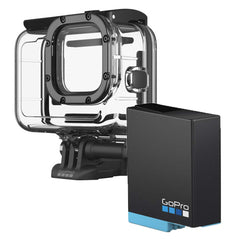
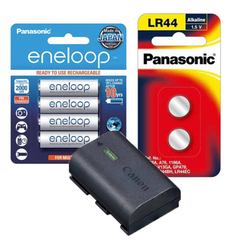
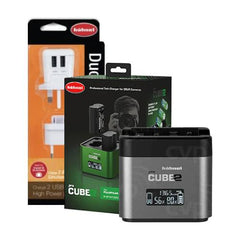
Internal batteries are fine until you’re doing real takes, long interviews, events, or anything that runs beyond “a quick shoot.” Battery swaps don’t just interrupt recording. They interrupt rhythm.
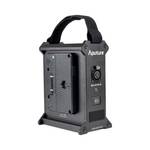
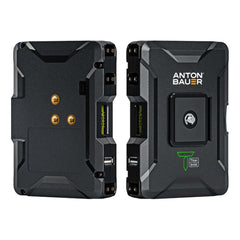
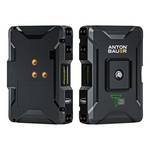
External power isn’t a flex, it’s a workflow upgrade. A V-mount (or similar external system) gives predictable runtime and can power the camera plus accessories like monitors and wireless units. It also reduces the mental load of constantly watching battery percentage.
The best power setups are tidy and repeatable. Clean cable runs, secure mounting, and a clear plan for how everything gets power without adapters dangling mid-take.
3) Monitoring is the biggest quality-of-life upgrade
If you only rig one thing, rig monitoring.
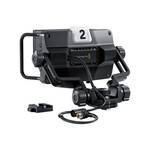
An on-camera monitor changes how you shoot because it reduces uncertainty. You frame faster. You pull focus with more confidence. You expose with intention instead of hoping. Tools like waveform, false colour, peaking, and zebras stop you guessing, especially outdoors or under mixed lighting.
But the monitor only helps if it’s mounted properly. A bright screen on a flimsy mount is worse than no monitor at all. It wobbles, shifts, and makes the whole rig feel amateur. Use a proper locking mount with anti-twist features and mount it where your body naturally wants to look.

4) Rigging is how you make accessories reliable
FX cameras can do a lot on their own, but “serious shooting” usually means accessories: audio, follow focus, wireless video, handles, lights, timecode, whichever direction your work goes.
Rigging is what turns those add-ons from improvised to dependable.
The goal is not to attach more things. The goal is to make the camera feel like one coherent tool. That means secure mounting points, cable strain relief, and accessories placed where they won’t interfere with operation.
A good rig should survive movement. If you can’t pick up the camera and move quickly without something snagging, loosening, or blocking a control, the rig is working against you.
5) Wireless is about fewer mistakes, not just convenience
Wireless video isn’t mandatory for every shooter, but it becomes important the moment anyone else needs to see what you’re seeing. Director. Producer. Client. Even your own team.
A clean wireless feed speeds up decisions. It prevents reshoots. It stops “trust me, it’s good” conversations. And it reduces the number of times you have to break flow just to show someone a playback.
Even for solo shooters, wireless can be a practical tool: a producer can monitor from a distance, talent direction improves, and you can work faster with fewer interruptions.
The key is reliability. Wireless should be tested, simple, and mounted as neatly as everything else. If it turns into a fiddly tech problem, you’ll resent it and stop using it.

The biggest mistakes people make with FX rigs
Most rig mistakes fall into a few patterns.
The first is building a rig for aesthetics instead of problems. If you can’t name what each part fixes (power, balance, monitoring, audio, focus, wireless), it probably doesn’t belong there.
The second is weak mounting. Monitor arms that twist, handles that flex, accessories hung off a single screw. Everything feels “fine” until you start moving fast and then the rig becomes a liability.
The third is cable spaghetti. Messy cables don’t just look bad. They get pulled out. They snag. They stress ports. They create noise in your process because you’re always slightly worried something will fail.
And the last one is having only one rig state. If you build everything into one mega-rig, you’ll avoid switching modes because it’s painful. If you design a stripped state and a built state, you’ll actually use your rig properly.
The point of rigging, in one line
Rigging is how you turn a small cinema camera into a repeatable, dependable camera package that matches the job.
When it’s done right, you stop thinking about the rig. You stop fighting the camera. You move faster. You shoot longer. You make fewer mistakes. And the footage gets better because your attention is on what matters.
If you want to see these ideas applied in real time, we’ve got an upcoming hands-on session with Clyde Vaughan where we’ll break down practical Sony FX builds and the thinking behind them. I’ll leave space here for the event link and details.
